Forest Bathing, which originated in Japan, is rooted in a philosophical and religious context linked to Buddhism and Shintoism. The export of “Forest Bathing” as a discipline with proven physiological effects on health led to the popularisation of its scientific approach, perhaps placing less emphasis on the mystical, philosophical and spiritual foundations underlying its practice. From our perspective, in the International Institute of Nature Baths, we wish to rediscover the connection with animistic, all-encompassing and interconnected Nature that the symbolism of the Japanese language brings us. Rediscovering and incorporating into a Nature Bath some of the significant “concepts” or “words” from this language can help us to:
– Simplifying language. Many of these words evoke feelings and experiences for which we need several words in Spanish to capture and define the complexity of their meaning.
– Tuning into the archetypeIt is rich in meaning, lending depth, presence and purpose to the experience. These words serve as “conceptual bridges” that invite us to experience the forest in a more sensitive, symbolic and mindful way.
– Every word serves as emotional or spiritual compass for the experience. The person may repeat this phrase silently during and after the practice.
Below are a few words that can serve as a THEME to help you set an intention or purpose for your Forest Bathing session, provide a FOCUS for an invitation and/or HIGHLIGHT a particular aspect of nature that can act as a sensory anchor
Amaoto
The Sound of Rain
The sound of rain
It describes the sense of calm, nostalgia, introspection or contemplation that the sound of rain evokes in us, acting as a sensory anchor. In the context of nature, rain symbolises cleansing and purification.
“Focus on Amaoto – the sensations you feel when you listen carefully to the sound of the rain”

Boketto
spacing out
Staring into space without thinking
It describes the process of gazing at the horizon – an empty, unfocused, contemplative gaze – which allows the mind to drift freely, without judgement or goals. It is about achieving a state of passive presence known as “fertile emptiness”. It occurs spontaneously and naturally when we look out at the sea, the sky, the mountains, or whilst in the middle of a forest, etc.
“It takes just a few moments to practise Boketto. Choose a spot, close your eyes for a few moments and then open them slowly, letting your gaze wander. Don’t look for anything or force anything. Just look without looking.”

Ichigo – Ichie
Ichigo Ichie
A moment, an opportunity
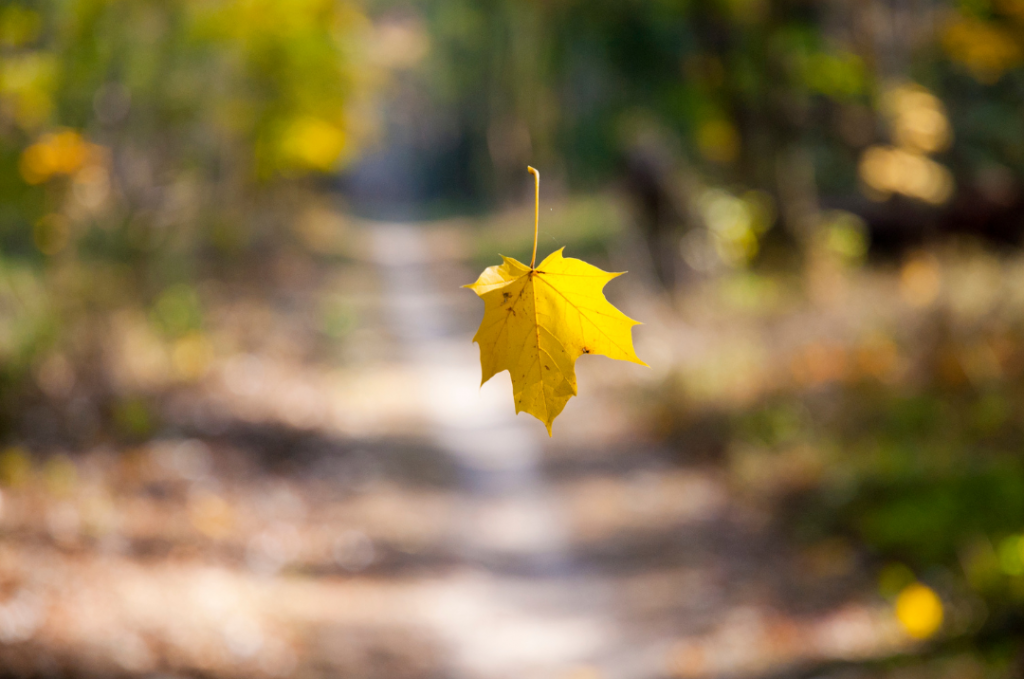
It reflects the uniqueness and irreplaceability of every moment. Every encounter, experience or moment is unique. It helps us to appreciate the present with mindfulness and gratitude, recognising that every moment is singular and unrepeatable. It allows us to appreciate the sound of a bird, the light filtering through the leaves as it fades, a leaf falling right in front of us, and so on.
“Be mindful of your Ichigo-Ichie moment”
Kansha
Thank you
Gratitude
It describes the deep gratitude that comes from the heart – a feeling that is not only expressed but also felt profoundly. In nature, a sense of gratitude can arise spontaneously when one notices the sun’s rays, the sounds of the forest or the textures one touches.
“Walk and recognise Kansha, the deep sense of gratitude that arises in Nature”

Kodama
Kodama
Tree spirits
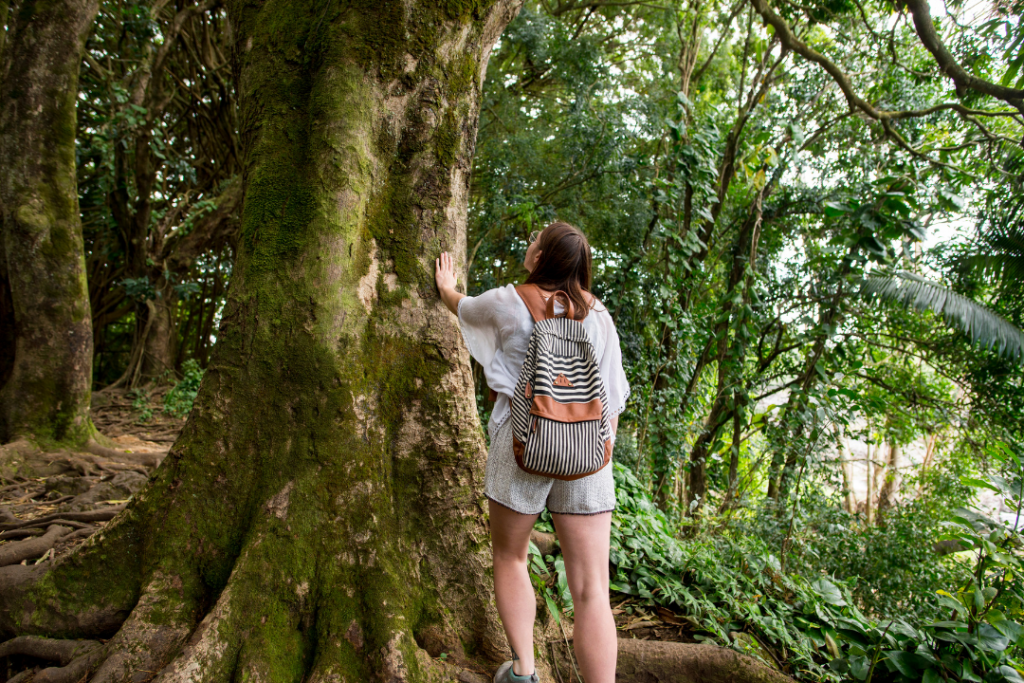
They are a type of Kami that dwells in trees, which is why they are translated as the “Spirit of the Tree”. Their presence is sensed through the rustling of the leaves, the sounds of the forest or their shadow, and it is this presence that allows the tree to be regarded as sacred (shinboku). They instil in us a sense of reverence, respect and spiritual connection with trees, enabling us to recognise the forest as a sacred and living space.
“As you walk, feel the Kodama of the trees through their subtle forms of expression, such as sound, light and presence. Approach a tree that calls out to you and feel the story and energy it wishes to share with you.”
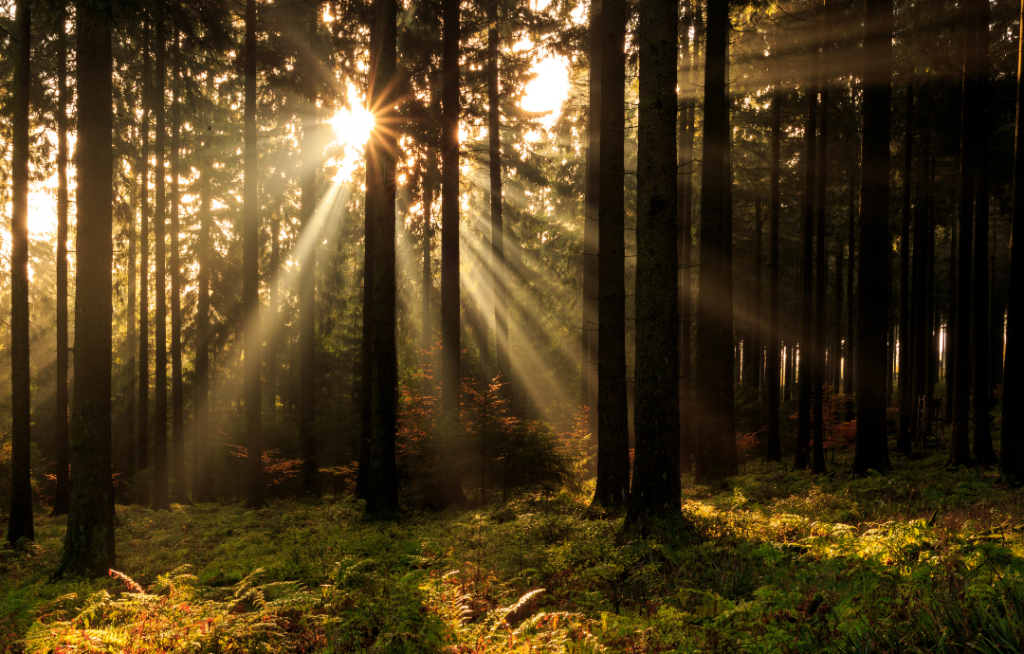
Komorebi
Sunlight filtering through the trees
Enjoying the sunlight filtering through the trees
A phenomenon in which sunlight filters through the leaves of trees, creating a play of light and shadow that dances across the ground and/or the natural surroundings. It allows us to appreciate the harmony and transience of life, inviting us to contemplate.
“Take a few moments to appreciate the play of light created by the sun through the trees. How does it make you feel? What has this play of light taught you?”
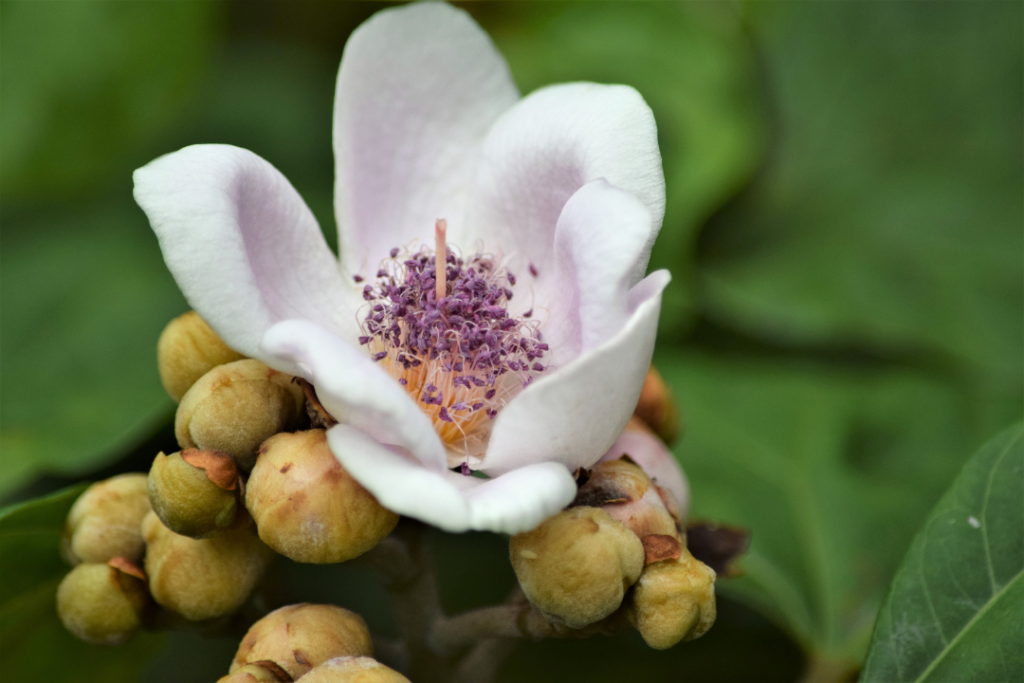
Oubaitori
Cherry, Plum, Peach and Apricot
Blooming at just the right time
It literally translates as “cherry trees, plum trees, peach trees and Chinese plum trees”, but it is actually a metaphor with a deeper meaning, representing the idea that each person has their own path and pace for blossoming, without needing to compare themselves to others. It connects us with the idea of individuality, acceptance and appreciation of diversity.
“Connect with the various living elements of Nature. Recognise their life cycle and how each tree, plant, shrub, etc. is at a different stage of maturity. Recognise Oubaitori as part of life and appreciate the uniqueness of your own path of personal growth, accepting that your time to blossom will come in due course.”
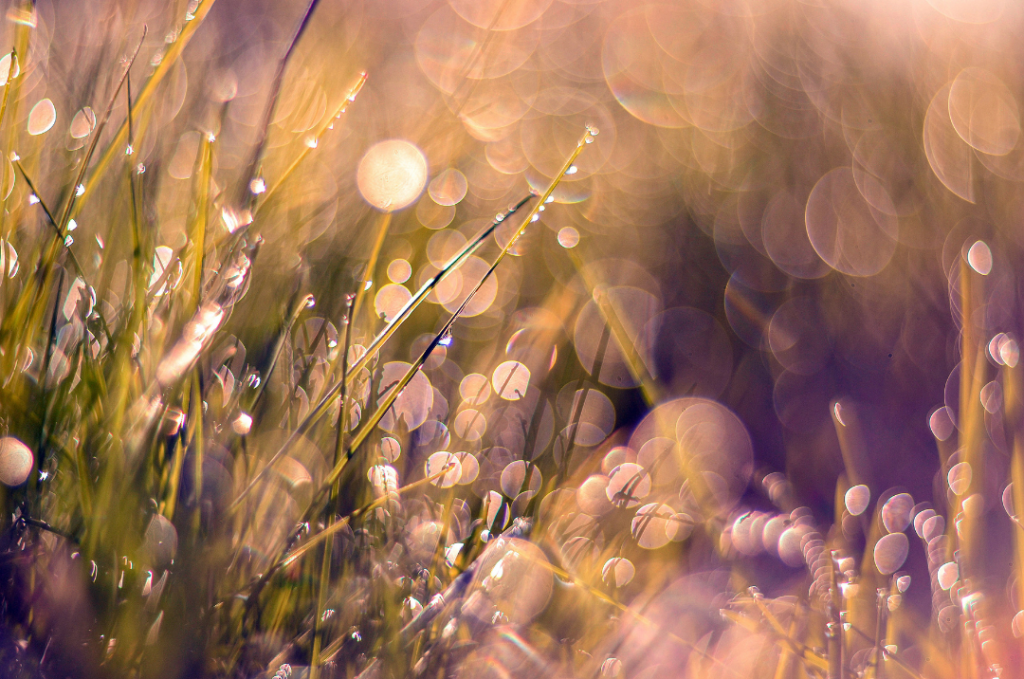
Shinrabanshō
The Universe in All Its Forms
Interconnectedness and Oneness in the Cosmos
It translates literally as “all things in the Universe” or the “Totality of Creation”. It speaks of the interconnectedness and oneness of all elements of the cosmos, from the smallest to the largest. It helps us to feel the interdependence between human beings and nature, fostering a sense of belonging. We are part of the Cosmos.
“Walk whilst feeling the web of mutual connection with everything around you. Every leaf, every breath of wind, every sound… that is you too”
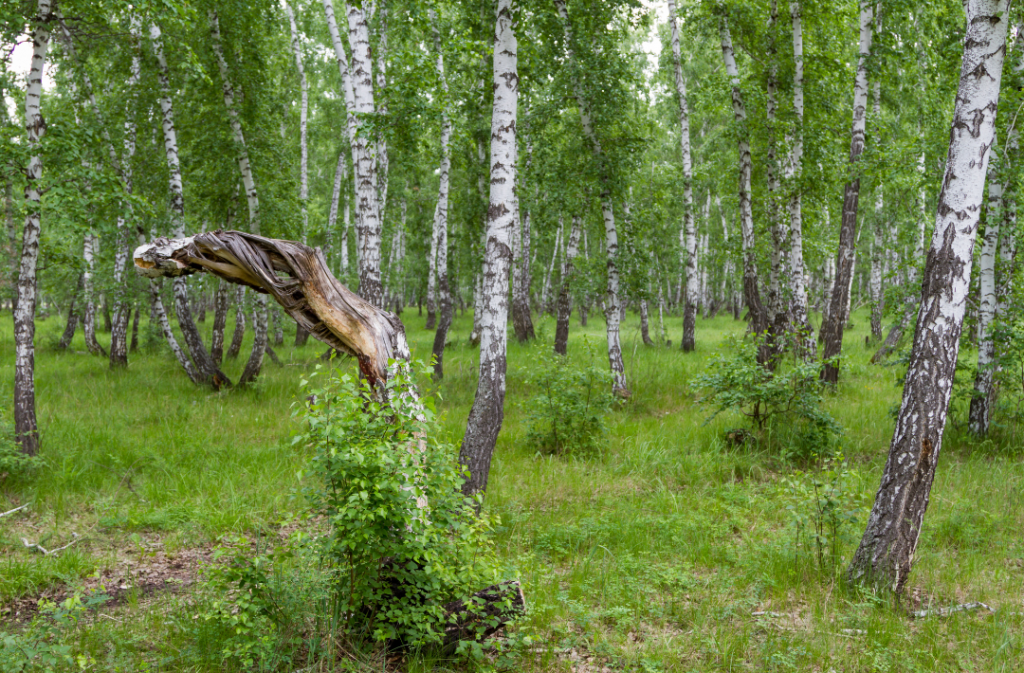
Wabi Sabi
Wabi-sabi
The beauty of imperfection
It is a popular concept that speaks of the beauty of imperfection, the ephemeral and the incomplete. It helps us to appreciate the authenticity of things as they are, willingly accepting what we label as broken, old, unattractive, and so on. For example, a dry, rotten log, a weathered rock, an asymmetrical leaf, and so on.
“As you walk, look for something that isn’t “perfect” at first glance and discover its own wabi-sabi beauty. What does this teach you about your own life?”
Would you like to find out more about Japanese concepts applied to forest bathing?
As part of the professional training we offer through the IIBN, we provide you with further insights that will enable you to enrich and deepen your practice of Shinrin Yoku, as well as offering a philosophical and mystical framework for your group and one-to-one sessions. Click on the ‘Training’ link in the Main Menu
© This text has been written and illustrated by Helena Chacón, PhD. All rights reserved.