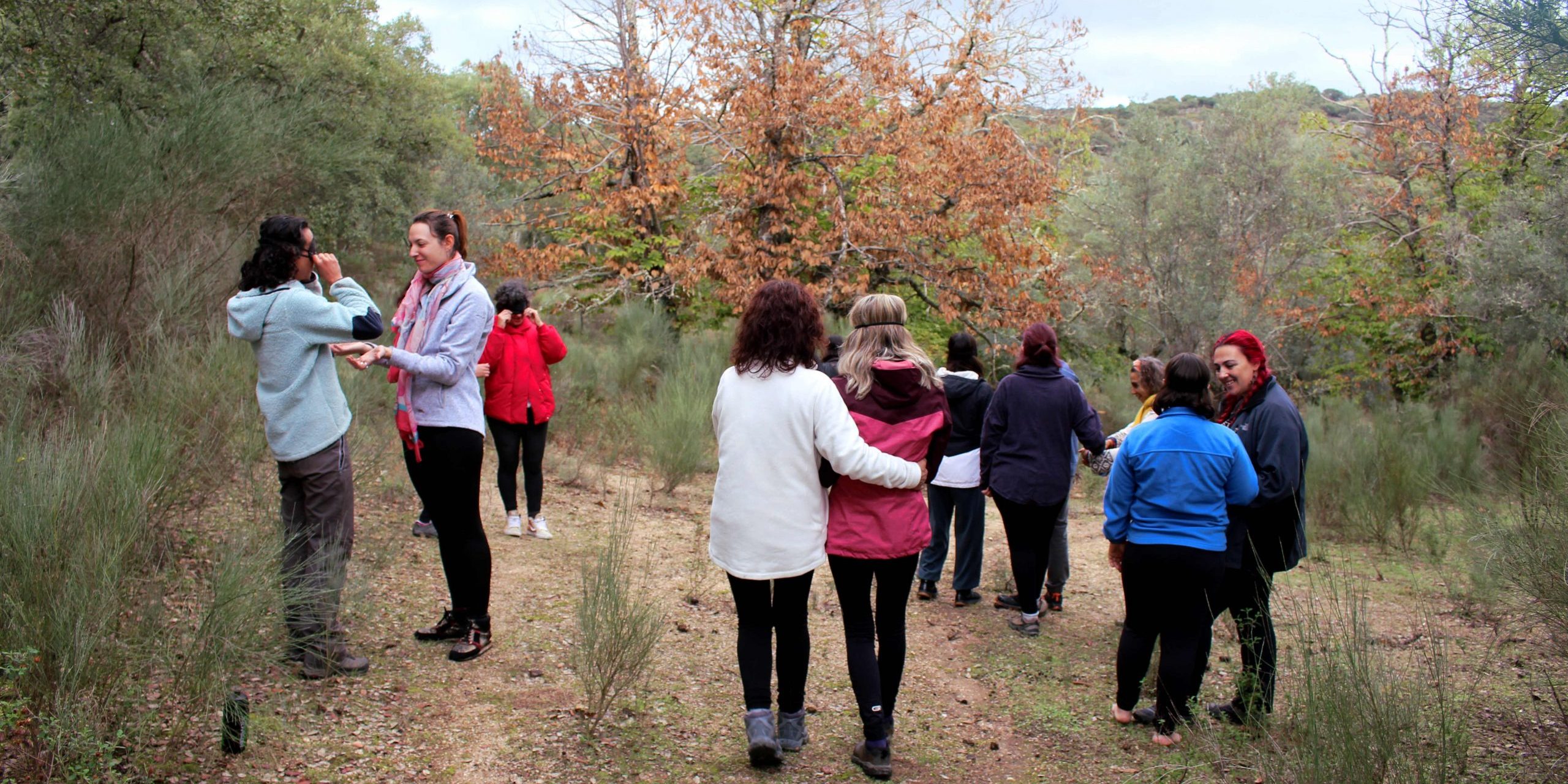
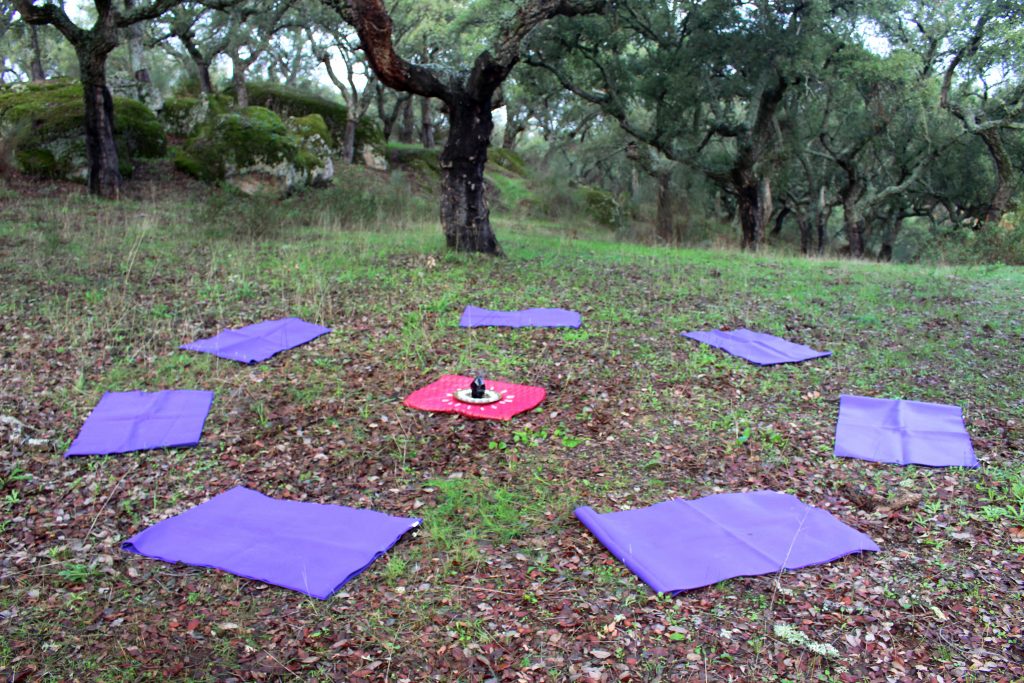
Activities or celebrations inspired by Celtic tradition seek to connect with nature through rituals, meditation, bodywork and various workshops, in harmony with the cycles of the year. They consist of 8 Celebrations or Festivals known as SABBATS which mark the solstices, equinoxes and the points in between. It is usually depicted in the form of a circle known as the The Celtic Wheel or the Wheel of the Year.
HISTORY
Before we delve into its “symbolism”, let’s find out a little more about its history. In fact, the Wheel of the Year, as we know it today, is a modern reconstruction based on Celtic and Norse traditions, as well as other pagan practices from Europe, which became popular in the 20th century thanks to the neo-pagan movements (Wicca) and modern Druidism. Some historians (Ronald Hutton o Miranda Green) have offered a critical perspective on their authenticity, as the Celtic cultures (5th century BC – 5th century AD) left no written records of their own, and what we know of them comes from Roman and Christian sources, as well as later folklore. Based on medieval Irish texts, written by Christian monks between the 6th and 12th centuries AD, we know that four of the celebrations (Samhain, Imbolc, Beltane, Lughnasadh) have clear Celtic roots and were adopted and adapted by monks as Christian festivals. The other four stem from Germanic traditions or have been invented by neo-paganism, as in the case of Mabon, a term coined in 1970 by Aidan Kelly.
It would appear that the Wheel of the Year as we know it today was a “creation” of Gerald Gardner, founder of Wicca and Ross Nichols, a druidic leader, combining Celtic, Germanic and other elements.
Furthermore, we know that the Celtic people were a very diverse and widespread group, which is why historians suspect that traditions and celebrations varied from place to place. In other words, there was no “standardised” calendar. It is known that most celebrations involved some form of ritual, such as bonfires, dances, meditation, feasts, etc., but we cannot ignore the fact that there were also sacrifices and less “eco-centred” aspects that we would not wish to experience today.
Having said all that, we might be tempted to say, “Well, if it’s a modern invention, I’m not interested, as I honour tradition”. I think that would be a mistake. After all, everything we do must be adapted to our modern lives. Our yoga is not the ascetic yoga practised 2,000 years ago in the Himalayas. So let’s apply a bit of common sense to all this.
BENEFITS OF THE CELTIC WHEEL
How can understanding and applying the Wheel of the Year help me?
I invite you to view this circle not as a historical representation of pagan festivals, but as a powerful framework that allows us to remember and reconnect with the cycles of the seasons, as well as to foster a sense of community. Each of the 8 moments of transition (which last several days) allow us to pause and take the time to reflect on how we feel at this time of year and adapt to the changes. In other words, the Celtic festivals allow us to:
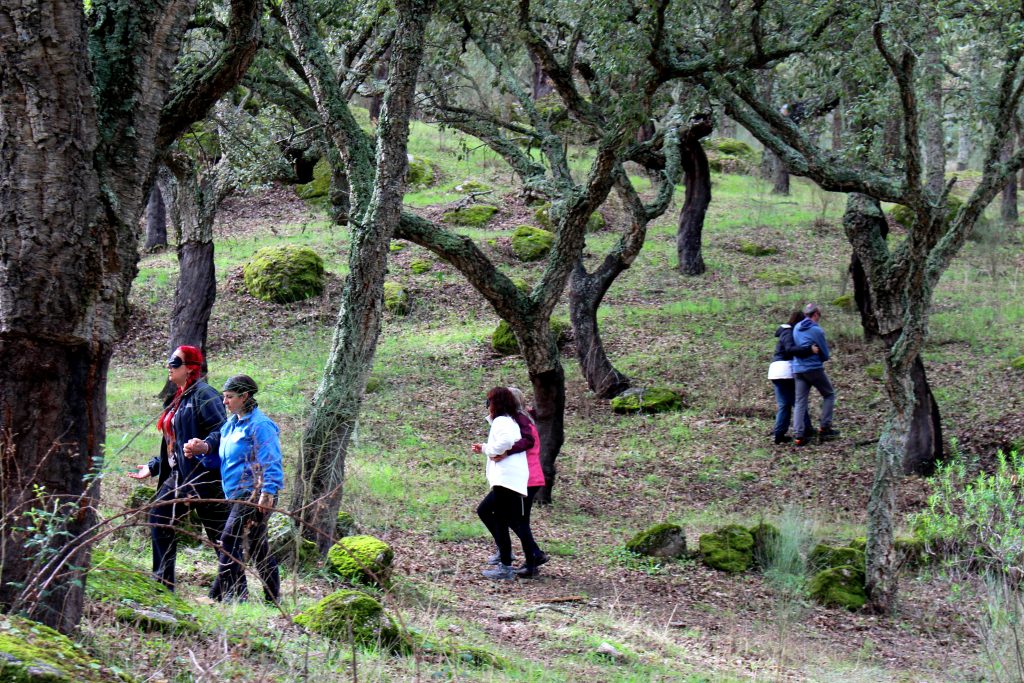
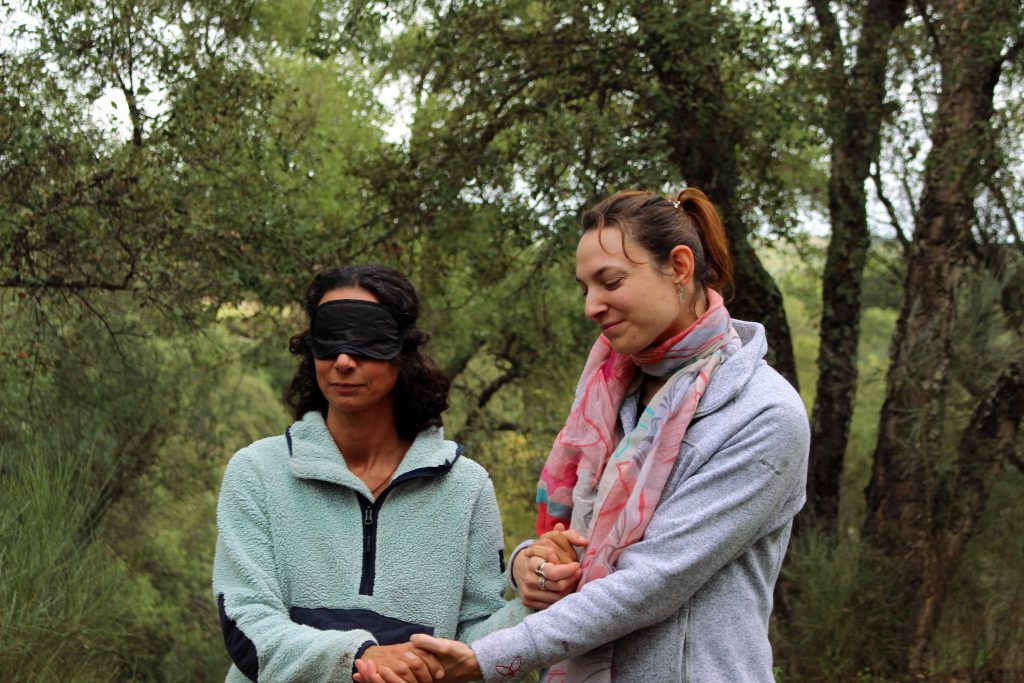
- Feeling part of a community. Each celebration can be held individually at home, but they are also wonderful opportunities to bring the “tribe” together, strengthening bonds and social cohesion and creating shared experiences. Nowadays, this aspect is particularly important, as many people feel the “burden” of loneliness. A study by Harvard University highlights the key importance, for our wellbeing, of the sense of “belonging” to a community.
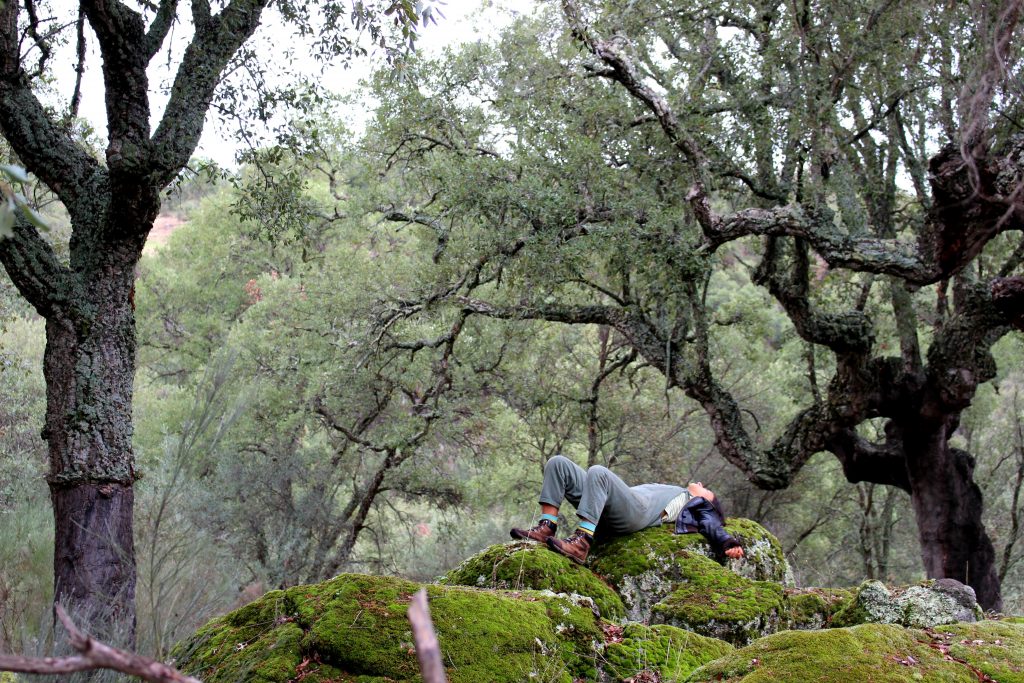
- Natural Cycles. Living in a big city makes you feel as though you are a “mechanised” being, with every day being the same. We are part of Nature, so when the year changes, we change too. Through the Wheel of the Year, we develop sensitivity and environmental awareness, as each festival represents a moment of transition that helps us connect with the inner changes we are experiencing. In this way, we improve our self-care and self-awareness whilst strengthening our bond with nature and the environment.
- Practical flexibility. The good thing about not following traditions to the letter is that you have a certain amount of flexibility in how you go about things. The Wheel of the Year can be adapted to different cultural and spiritual contexts by moving away from dogmatism and “rigid” rituals. We can incorporate anything from simple gestures, such as lighting a candle, to more complex rituals. The main thing is to be clear about the symbolic meaning of the moment of transition we are honouring.
- Psycho-spiritual wellbeing. There is something primal about celebrating special times of the year. It is a time to pause in our lives and reflect on universal themes (life, death, renewal, detachment, gratitude, etc.), explore our feelings and emotions, clear and refocus our minds, and find meaning in our lives. Furthermore, it is well known that performing rituals in a group fosters a state of relaxed attention – a state that greatly aids our regeneration and rest.
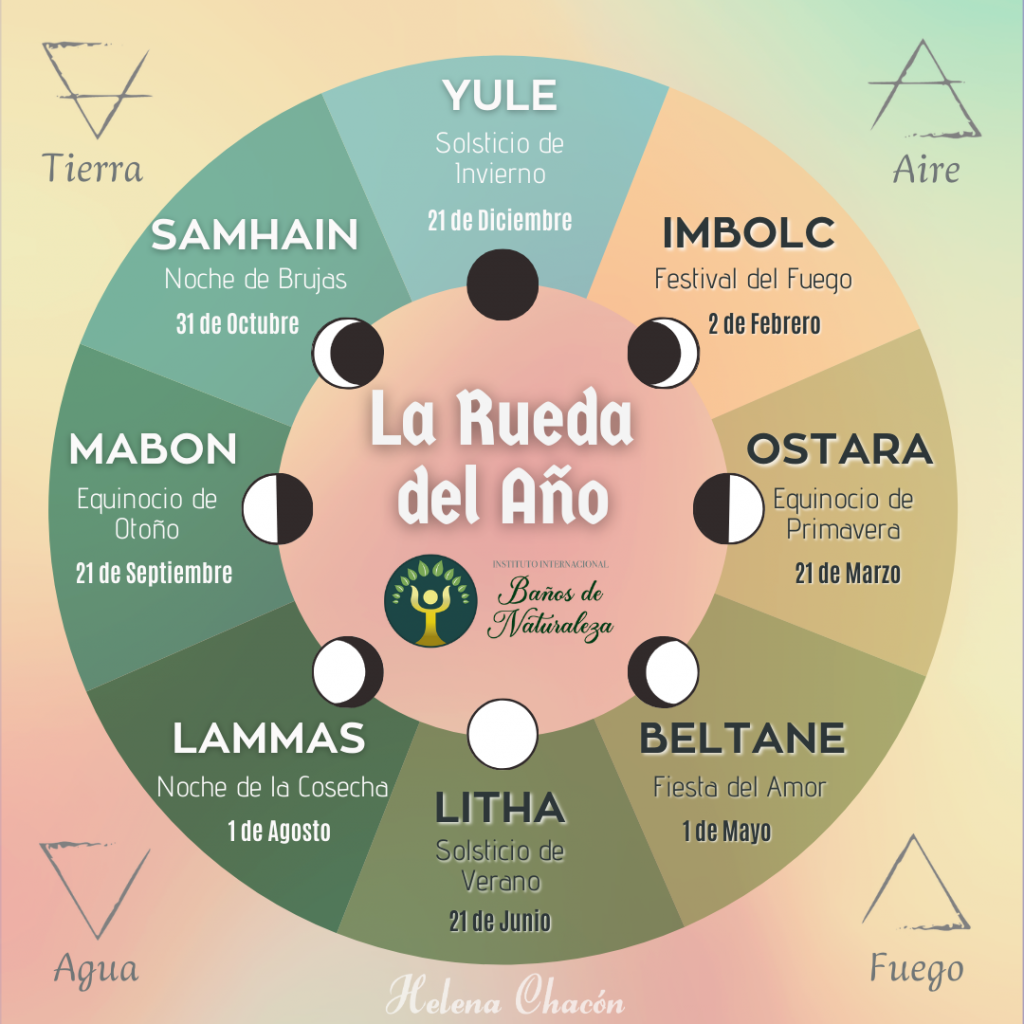
- Samhain (31 October): It marks the start of the Celtic year, a time to honour one’s ancestors and reflect on death and renewal. It is considered a time when the veil between the physical and spiritual worlds is at its thinnest.
- Yule (around 21 December): It celebrates the rebirth of the sun following the longest night of the year, symbolising hope and the return of light.
- Imbolc (1–2 February): Associated with purification and the first signs of spring, it celebrates the awakening of the earth and fertility.
- Ostara (around 21 March): It represents the balance between day and night, celebrating renewal, growth and fertility.
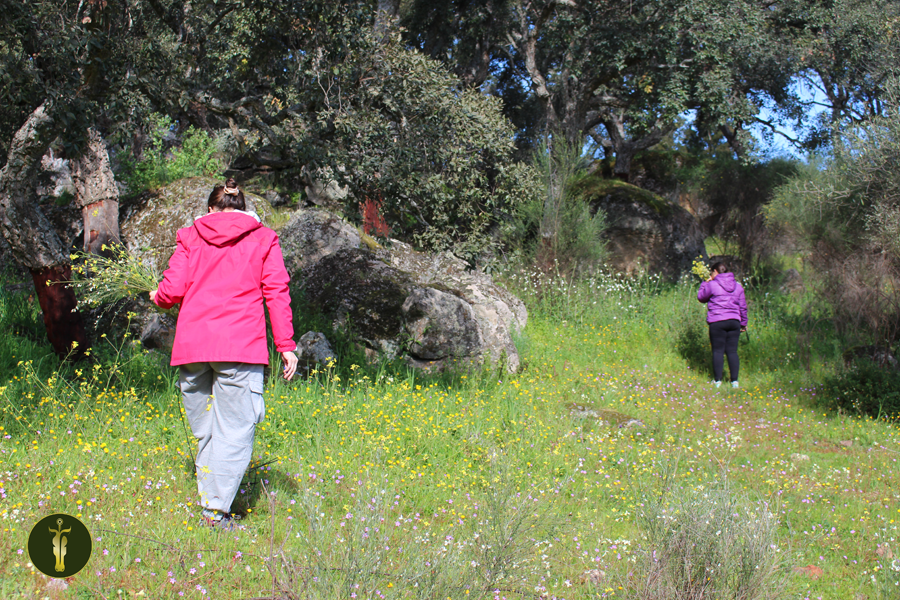
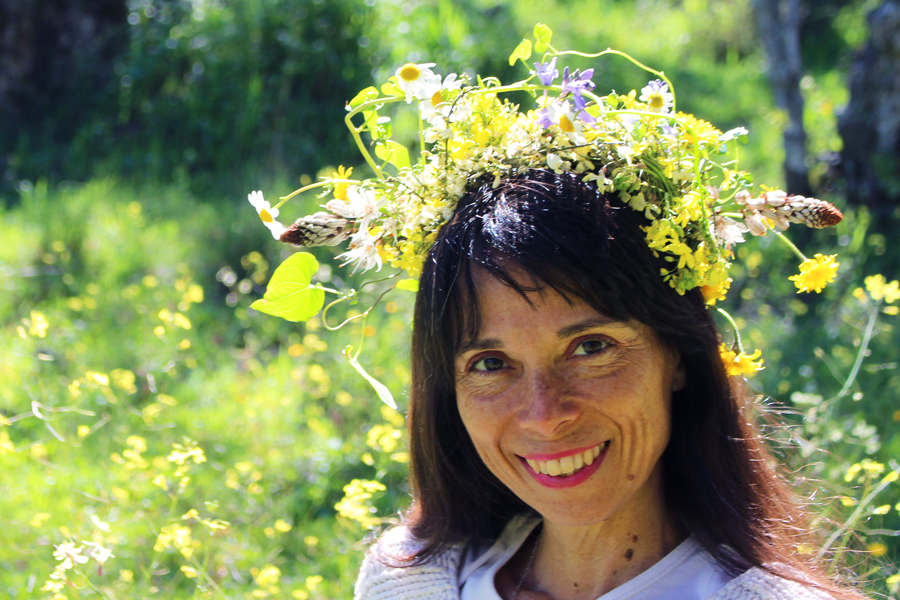
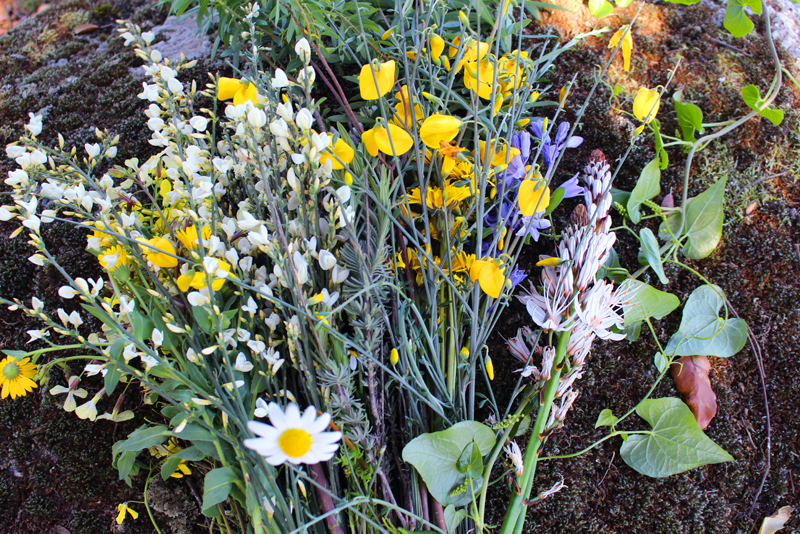
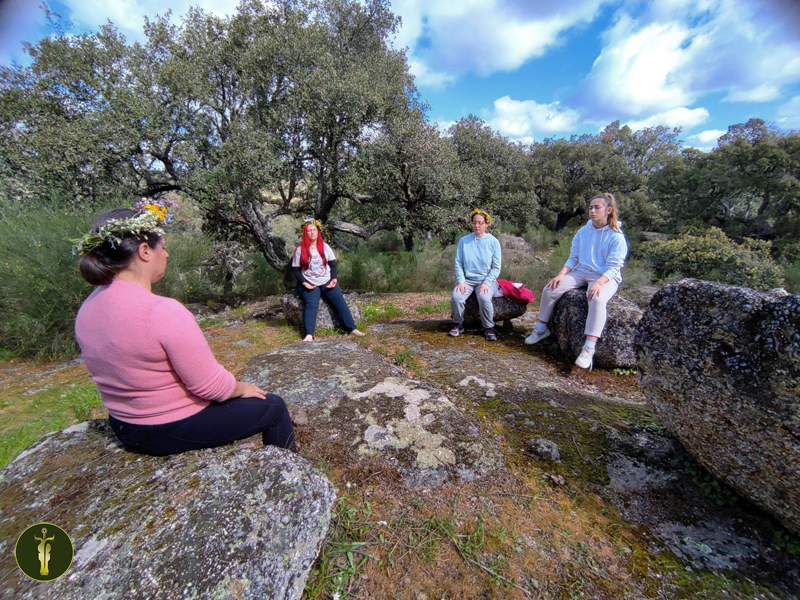
- Beltane (30 April–1 May): A festival celebrating fertility, passion and togetherness, marking the height of spring and the start of summer.
- Litha (around 21 June): Celebrate the longest day of the year, abundance and the power of the sun at its peak.
- Lughnasadh or Lammas (1–2 August): It celebrates the first harvest, gratitude for abundance, and the offering of the earth’s bounty.
- Mabon (around 21 September): It marks a time of balance and preparation for winter, celebrating the second harvest and expressing gratitude.
MABON CELEBRATION


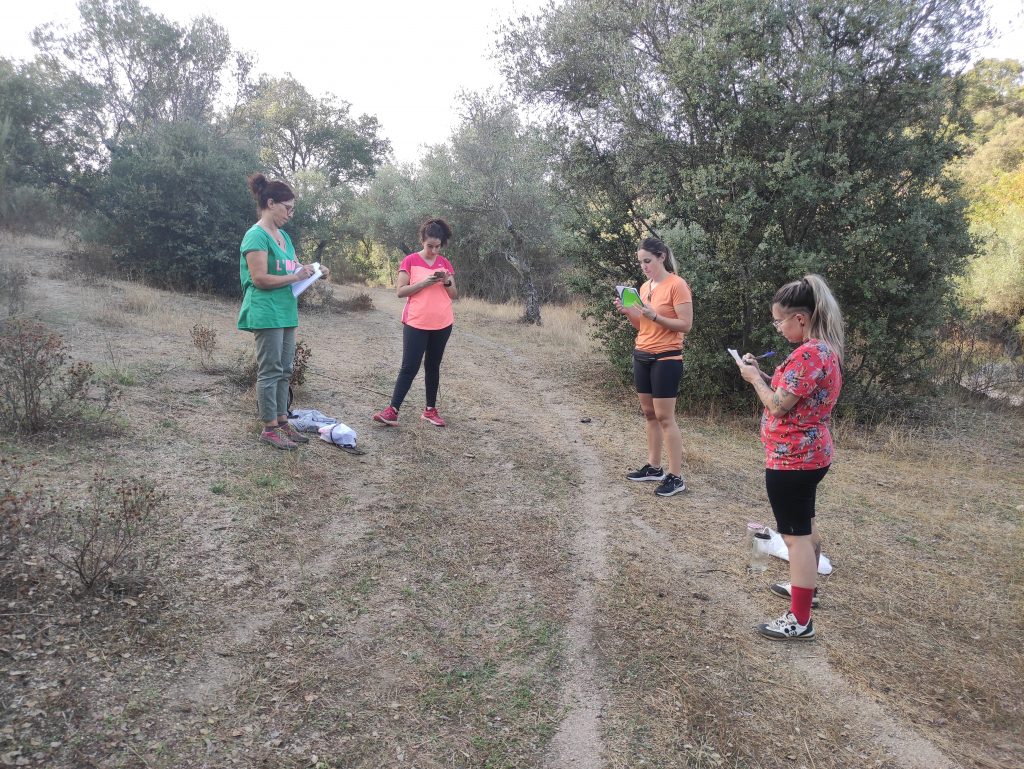
SAMHAIN CELEBRATION


IMBOLC CELEBRATION

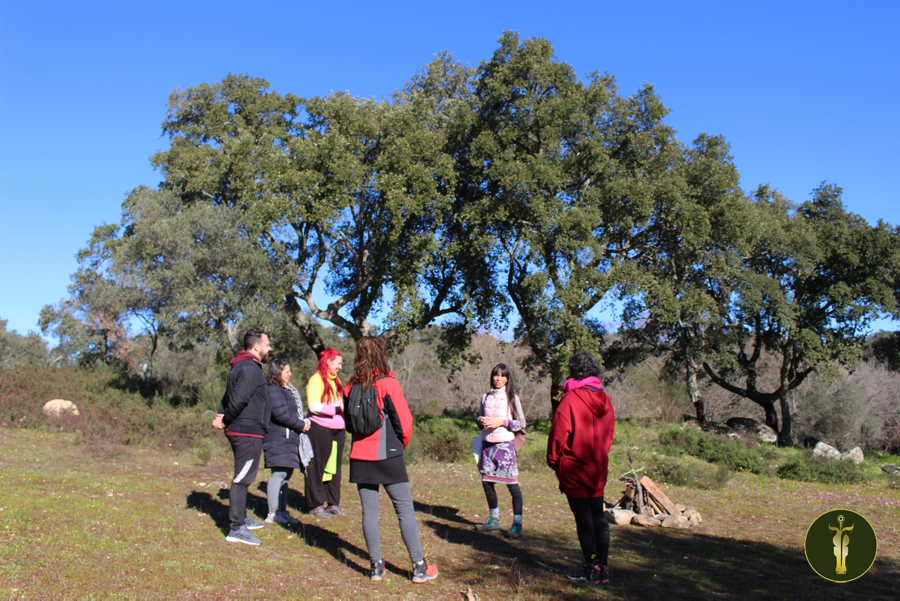
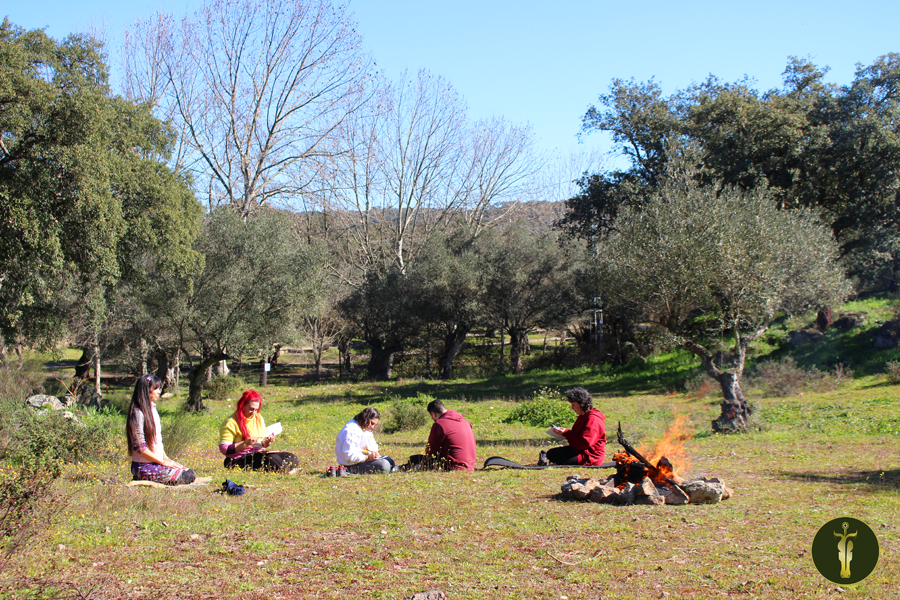
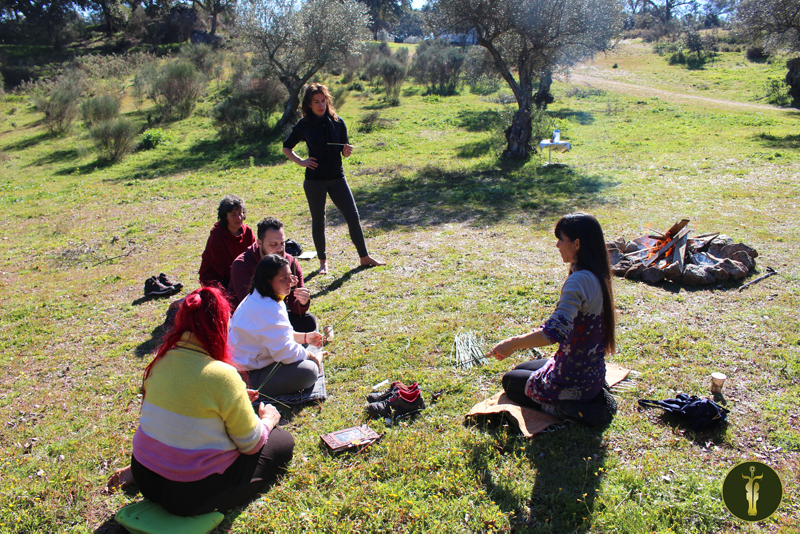
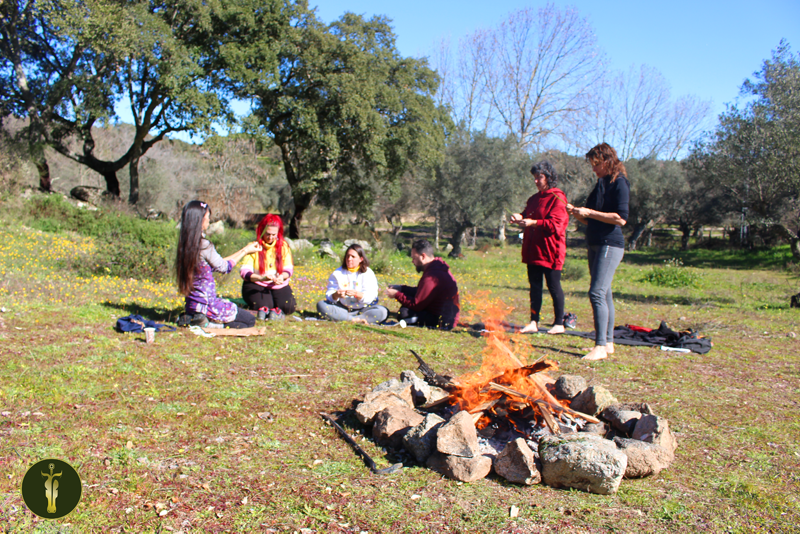
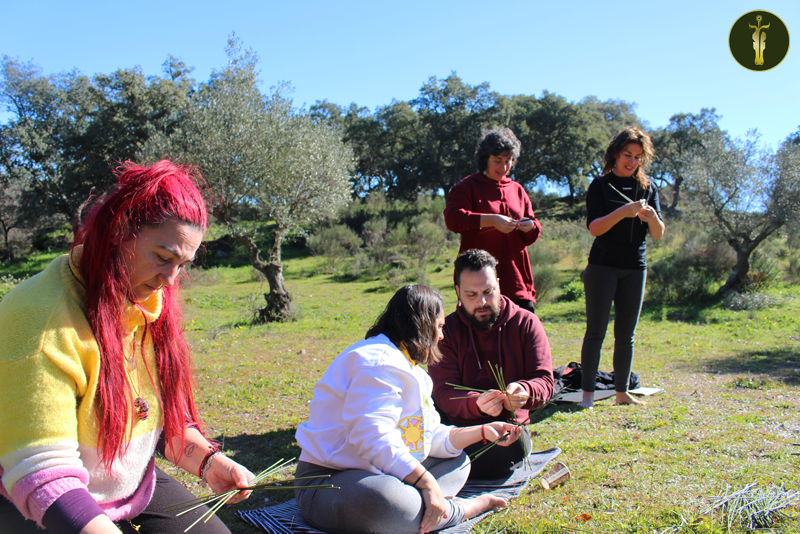
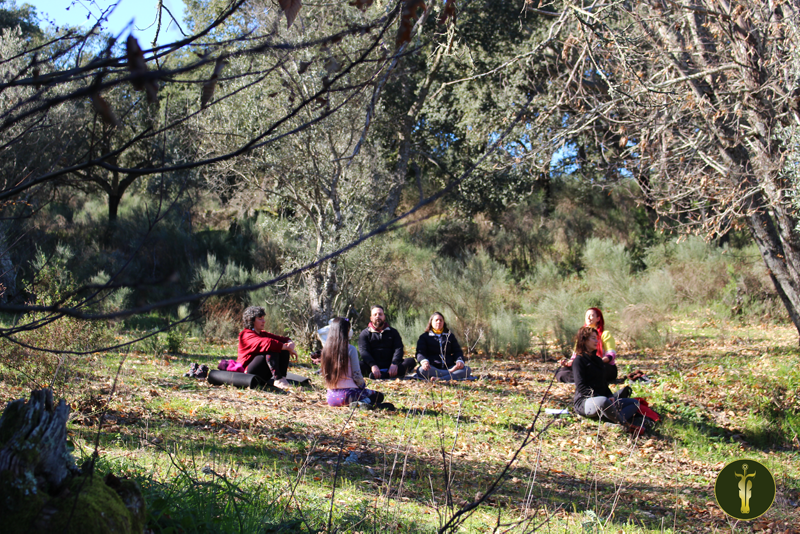
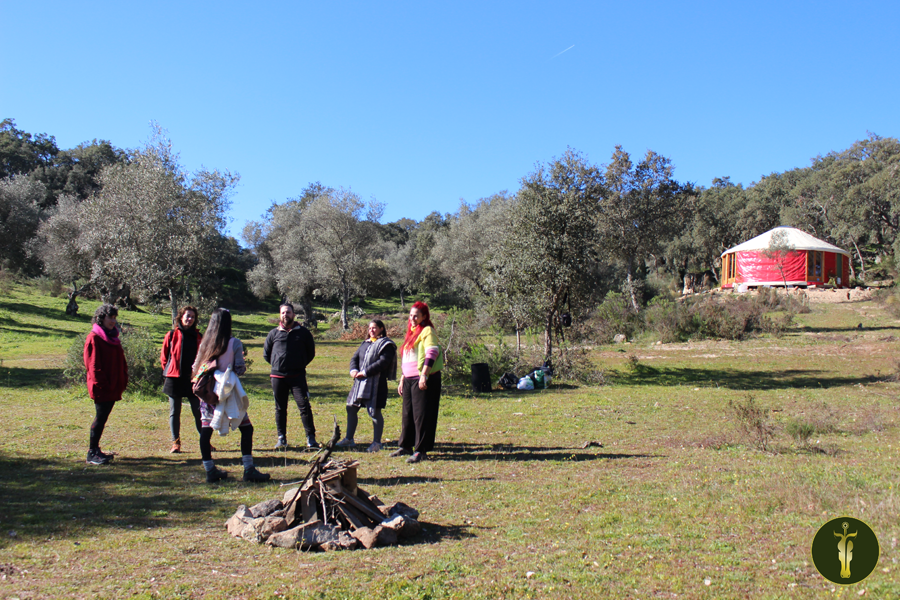
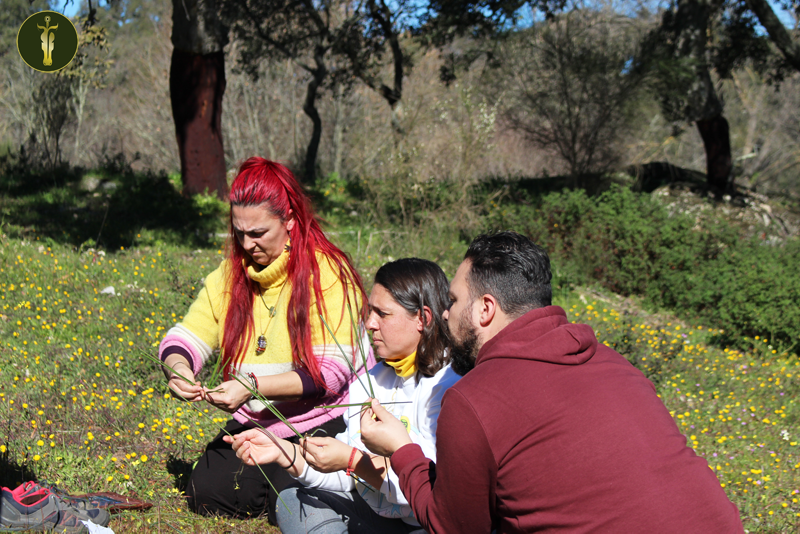
OSTARA CELEBRATION
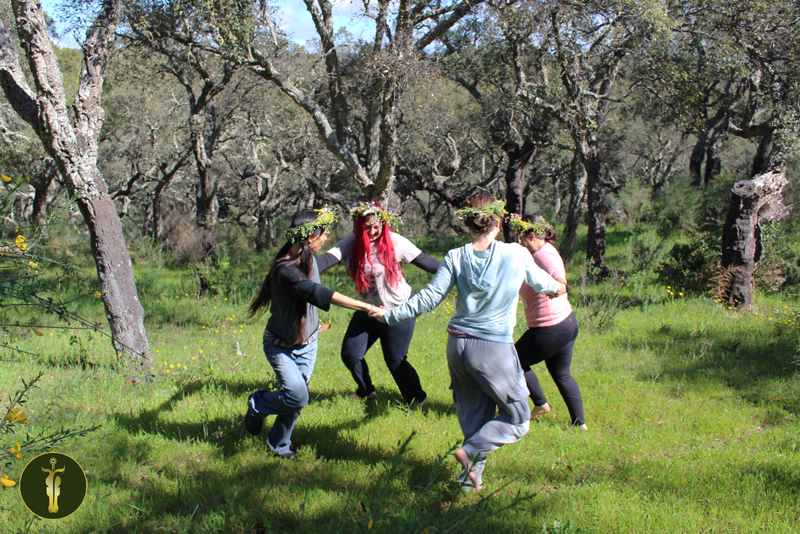
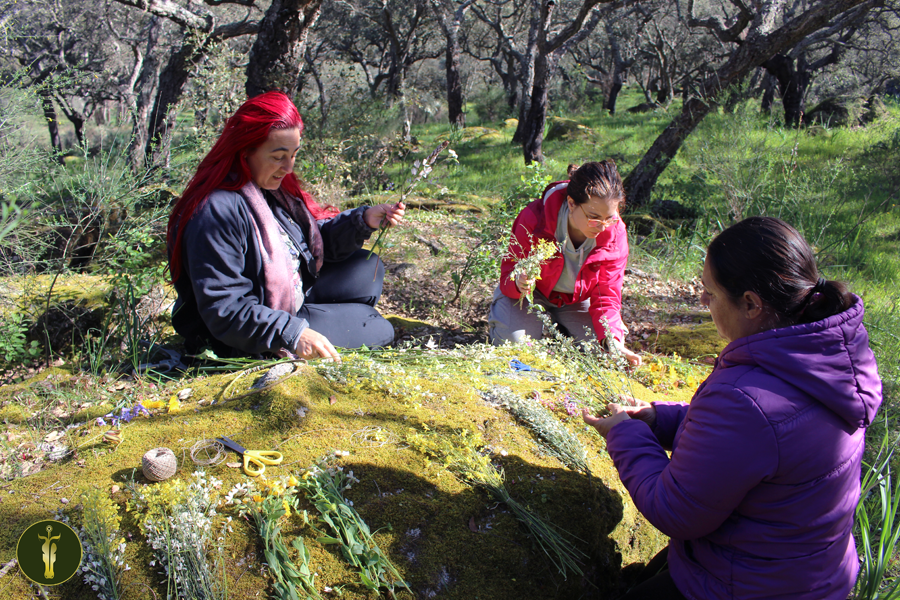
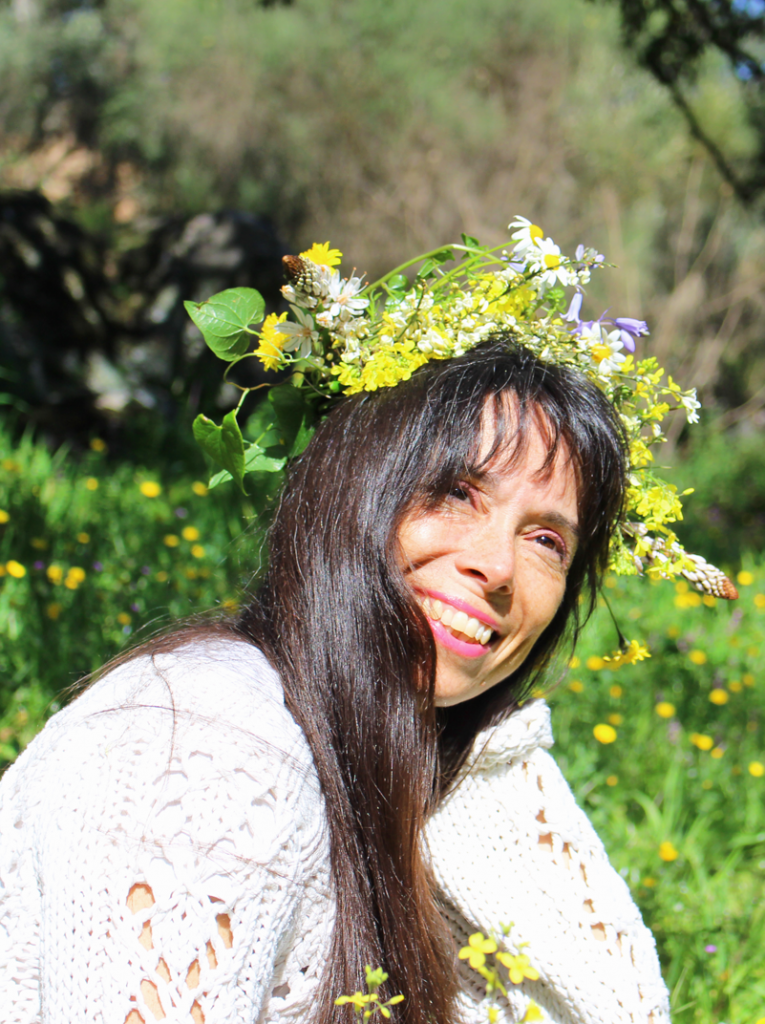
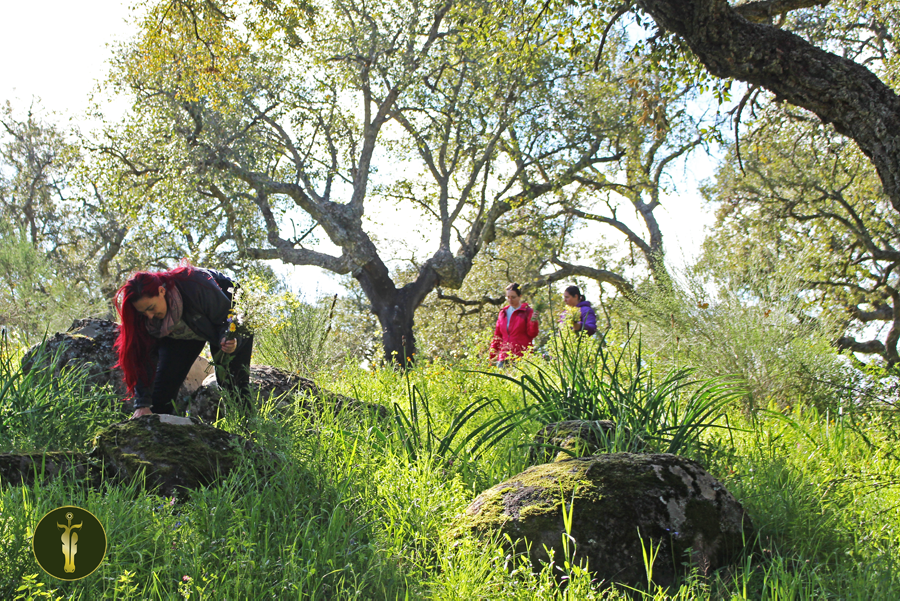
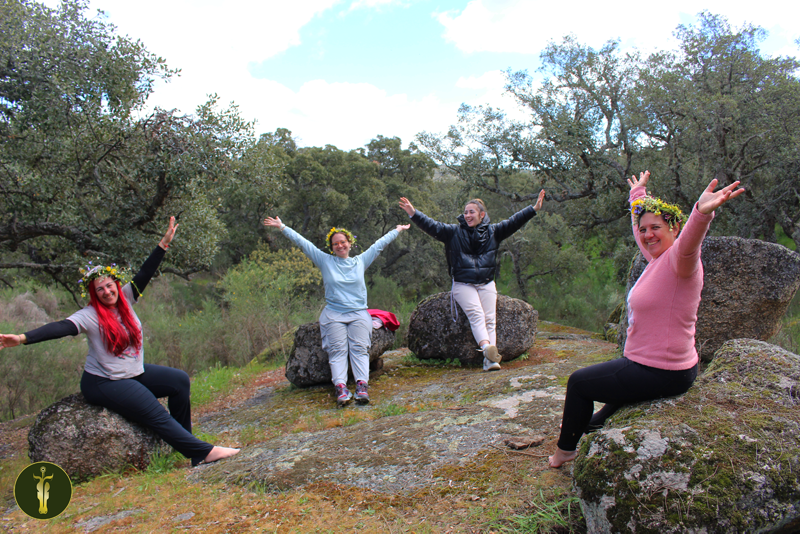
BELTANE CELEBRATION
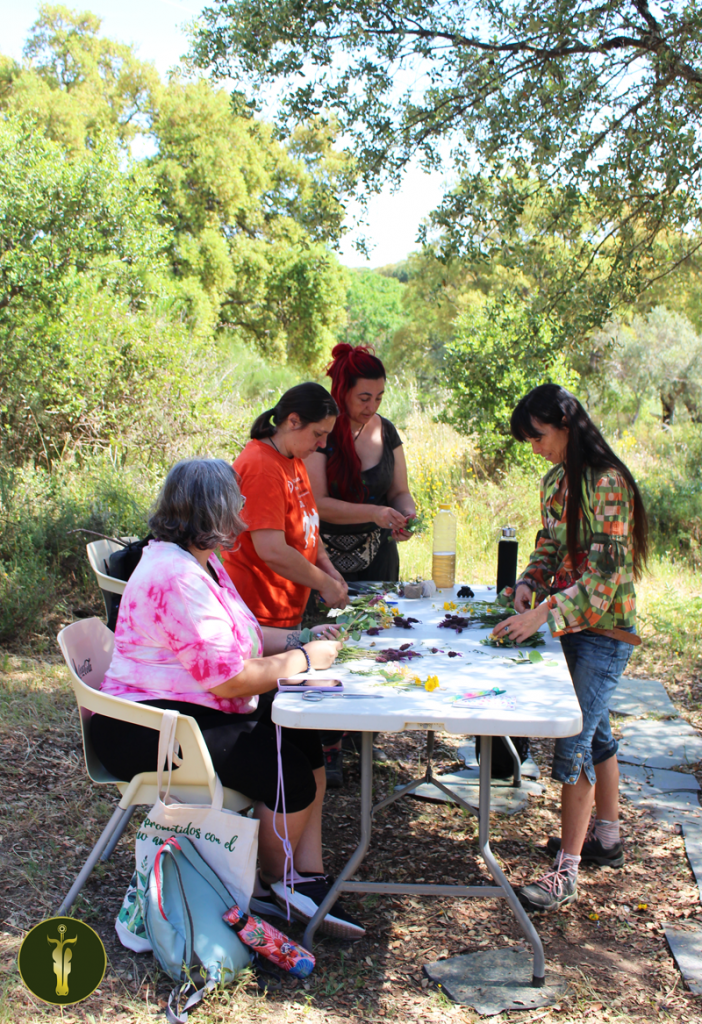

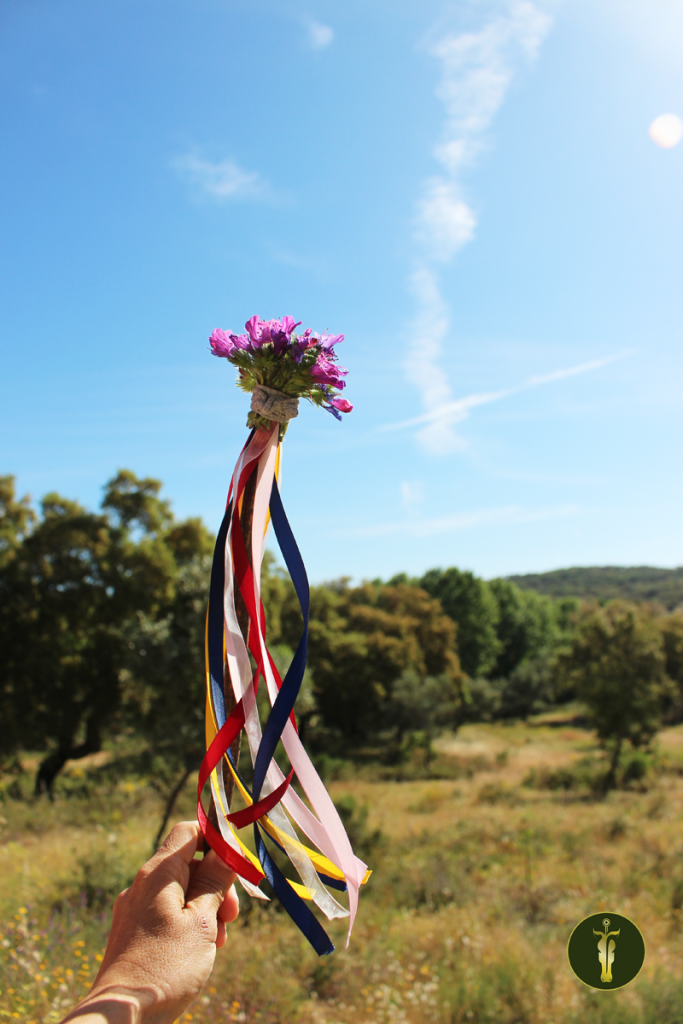
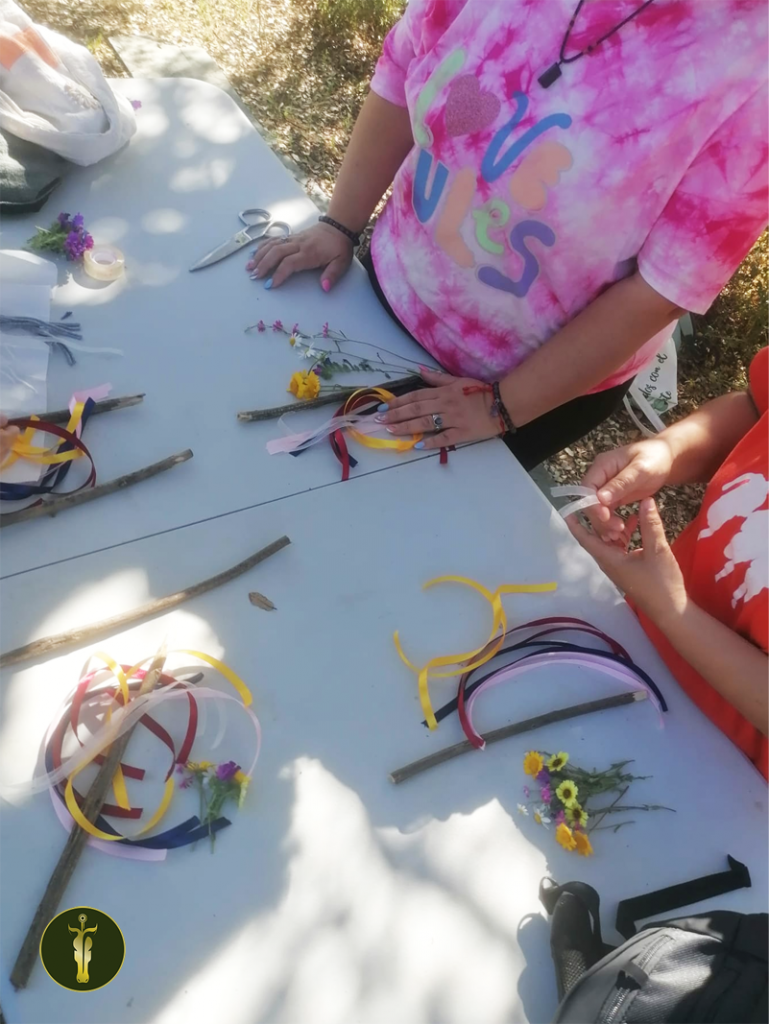
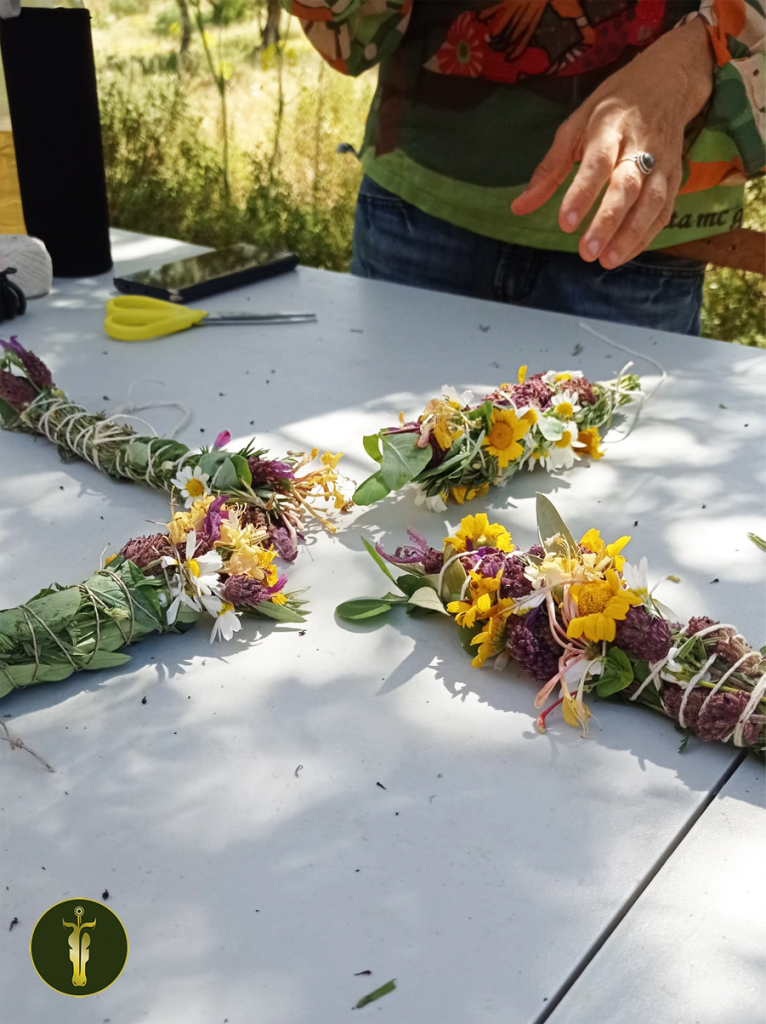
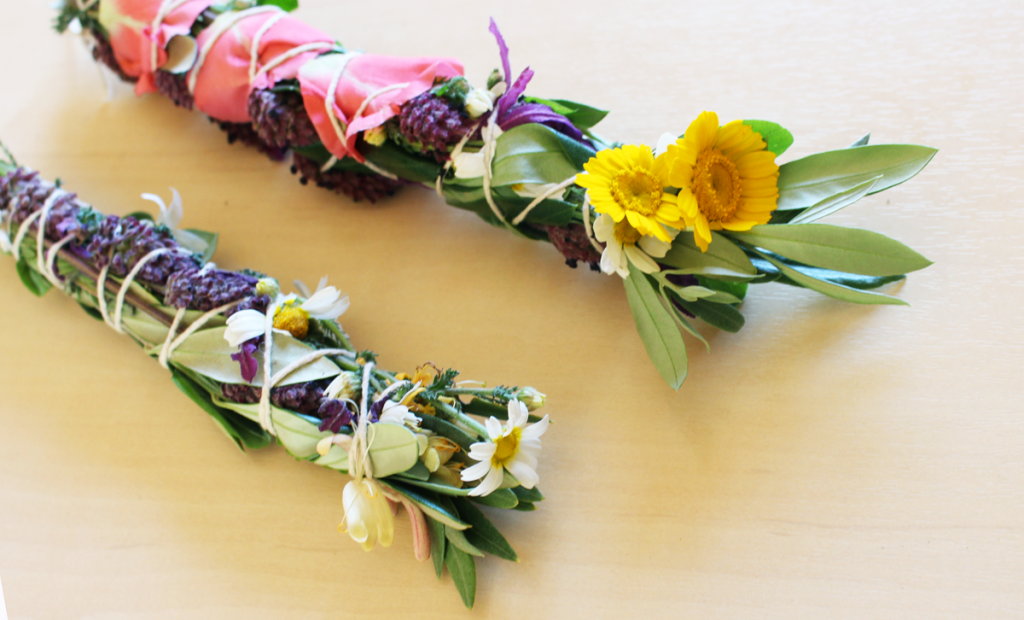
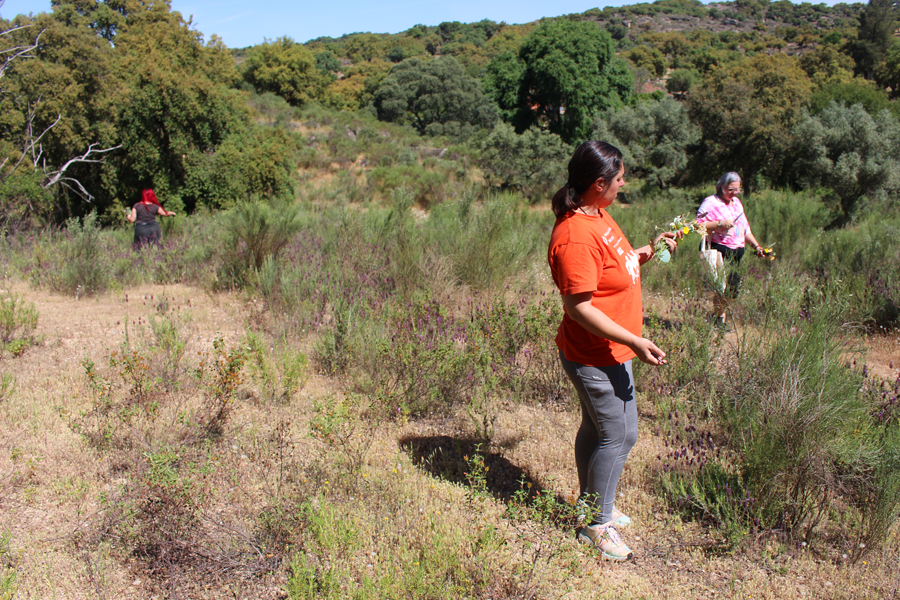
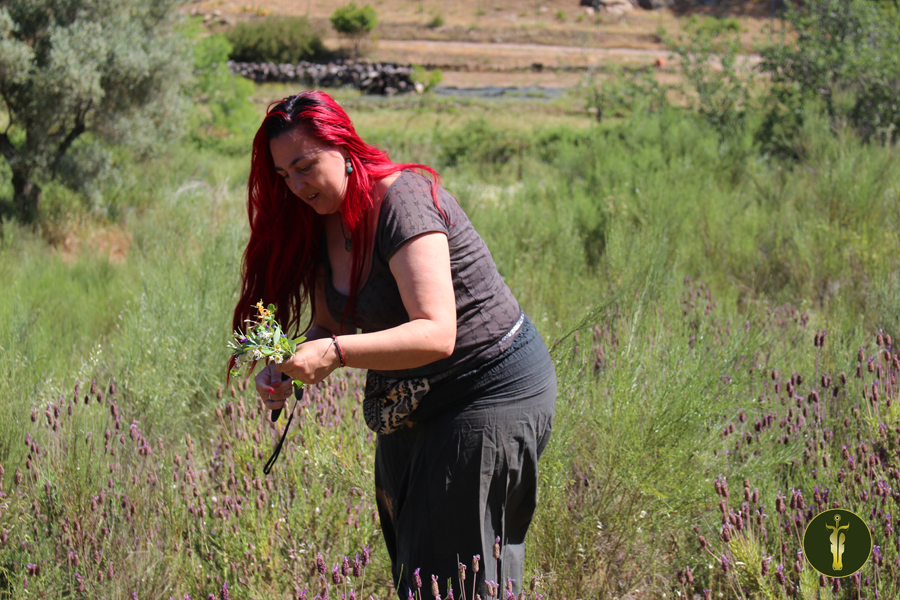
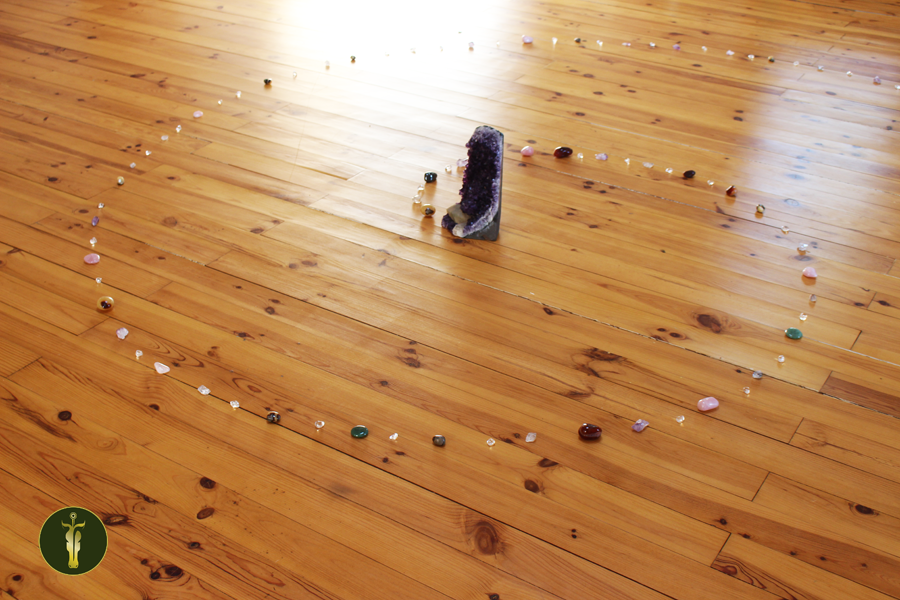
LITHA CELEBRATION


© Copyright. The text, images and photographs in this article are the work of Helena Chacón, PhD, and form part of the training material for the IIBN’s Professional Training Course in Nature Bathing.. Reproduction in whole or in part is not permitted without express written consent
